
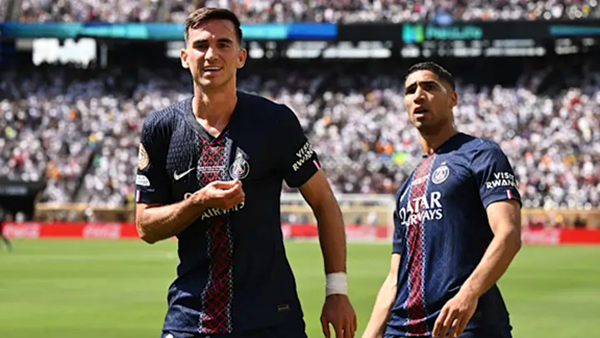
PSG Hủy Diệt Real Madrid 4-0, Bước Vào Chung Kết FIFA Club World Cup
Paris Saint-Germain đã tạo nên cơn địa chấn tại FIFA Club World Cup khi đè bẹp Real Madrid với tỷ số 4-0 thuyết phục ở trận bán kết. Chiến thắng vang dội này đưa PSG tiến gần hơn đến chức vô địch danh giá, đồng thời phơi bày những điểm yếu chí mạng trong lối chơi của đội bóng Hoàng gia Tây Ban Nha. PSG Hủy Diệt Real Madrid 4-0,...
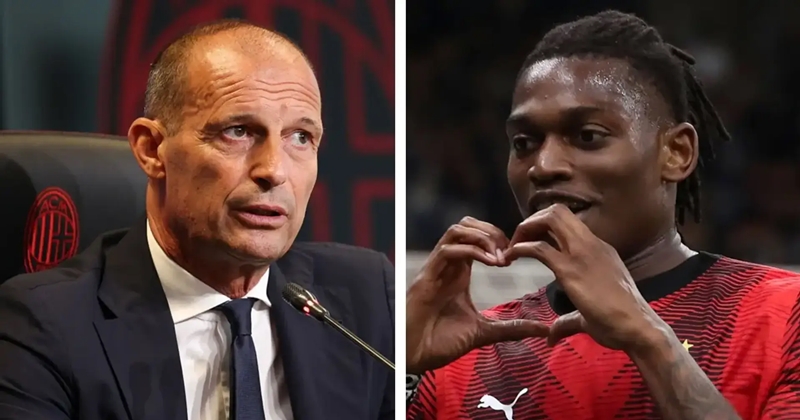
Allegri và tham vọng đưa Leao trở lại đỉnh cao cùng AC Milan
Sự trở lại của Massimiliano Allegri trên ghế huấn luyện AC Milan mở ra một chương mới đầy hứa hẹn, đặc biệt là với Rafael Leao, tài năng trẻ được xem là chìa khóa thành công của Rossoneri. Sau một mùa giải chật vật với chỉ 8 bàn thắng, dưới sự dẫn dắt của Fonseca và Conceiçao, Leao cần một sự vực dậy mạnh mẽ để lấy lại phong độ...
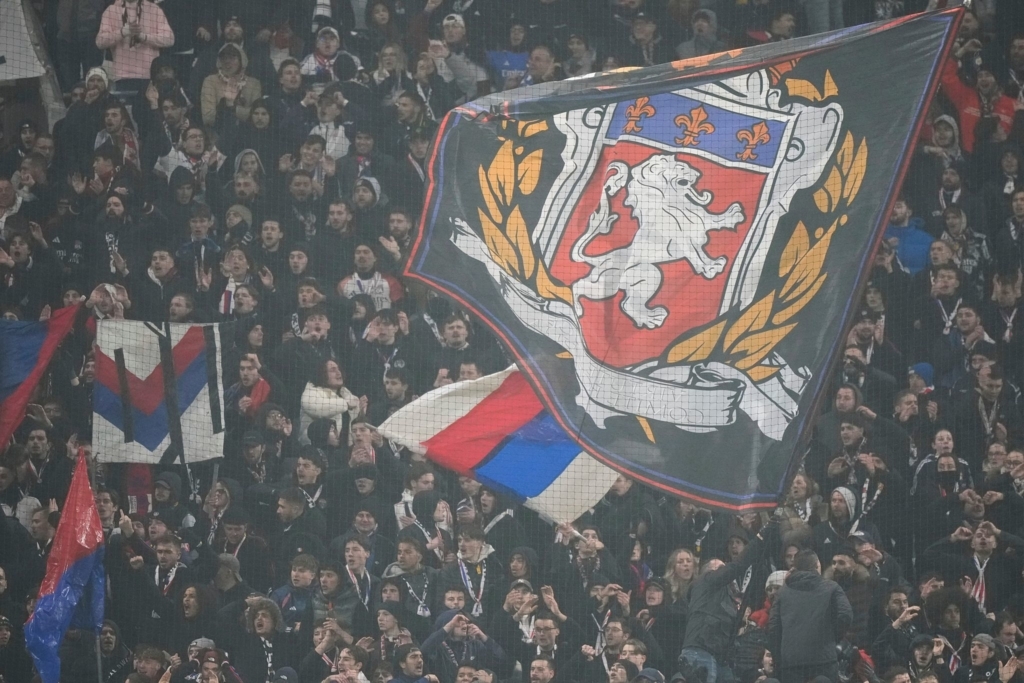
Lyon trụ hạng Ligue 1: Khép lại hồi hộp, mở ra thách thức
Câu chuyện trụ hạng đầy kịch tính của Olympique Lyon tại Ligue 1 mùa giải 2025/26 đã chính thức khép lại với một kết cục viên mãn. Sau khi Ủy ban Kháng cáo thuộc Ban kiểm soát Tài chính (DNCG) đảo ngược quyết định ban đầu, “Sư tử” sẽ tiếp tục góp mặt tại giải đấu danh giá nhất nước Pháp. Đây là thông tin vô cùng phấn khởi cho...
Thông tin thể thao
PSG Hủy Diệt Real Madrid 4-0, Bước Vào Chung Kết FIFA Club World Cup
Paris Saint-Germain đã tạo nên cơn địa chấn tại FIFA Club World Cup khi đè bẹp Real Madrid với tỷ số 4-0 thuyết phục ở trận bán kết. Chiến thắng vang dội này đưa PSG tiến gần hơn đến chức vô địch danh giá, đồng...

Allegri và tham vọng đưa Leao trở lại đỉnh cao cùng AC Milan
Sự trở lại của Massimiliano Allegri trên ghế huấn luyện AC Milan mở ra một chương mới đầy hứa hẹn, đặc biệt là với Rafael Leao, tài năng trẻ được xem là chìa khóa thành công của Rossoneri. Sau một mùa giải chật vật với...

Lyon trụ hạng Ligue 1: Khép lại hồi hộp, mở ra thách thức
Câu chuyện trụ hạng đầy kịch tính của Olympique Lyon tại Ligue 1 mùa giải 2025/26 đã chính thức khép lại với một kết cục viên mãn. Sau khi Ủy ban Kháng cáo thuộc Ban kiểm soát Tài chính (DNCG) đảo ngược quyết định ban...

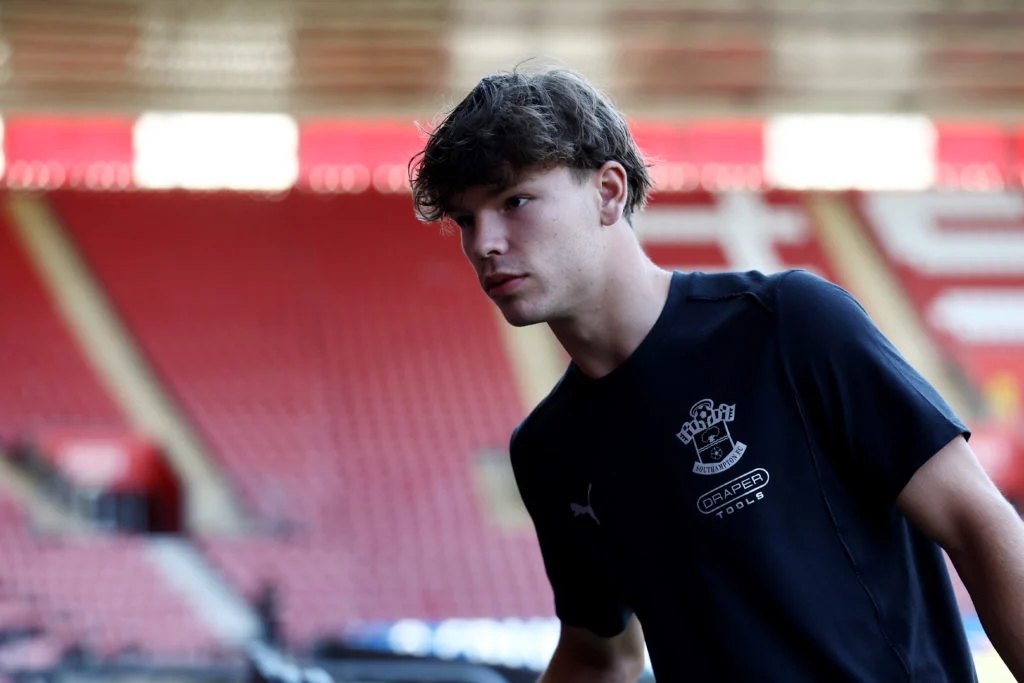
MU nỗ lực chiêu mộ thần đồng Tyler Dibling: Cuộc đua Premier League nóng lên
Manchester United đang đứng trước cơ hội vàng chiêu mộ tài năng trẻ Tyler Dibling của Southampton. Sau khi xuống hạng, Southampton đã hạ giá chuyển nhượng của Dibling từ mức chóng mặt 100 triệu bảng xuống còn 47-56 triệu bảng, mở ra khả năng...

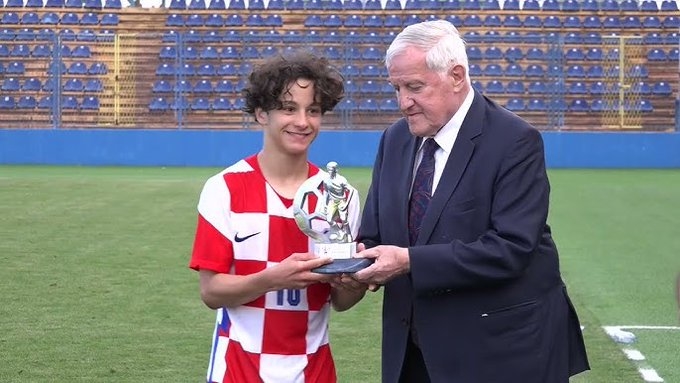
Barcelona chiêu mộ viên ngọc trẻ Croatia: Lovro Chelfi cập bến La Masia
Câu lạc bộ Barcelona vừa chính thức hoàn tất việc chiêu mộ tài năng trẻ Lovro Chelfi từ NK Kustosija. Việc sở hữu cầu thủ 17 tuổi này được xem là một động thái đầy triển vọng của đội bóng xứ Catalan trong kế hoạch...
Sân vận động Gtech Community Stadium: Từ Griffin Park đến biểu tượng bóng đá hiện đại
Sân vận động Gtech Community Stadium, trước đây được biết đến với tên Brentford Community Stadium, là một công trình thể thao hiện đại, tọa lạc tại Brentford, Tây London. Với sức chứa 17.250 chỗ ngồi, sân vận động này không chỉ là tổ ấm...
Sân vận động Emirates: Hành trình xây dựng và tầm ảnh hưởng của biểu tượng Arsenal
Sân vận động Emirates, hay còn được biết đến với tên gọi Sân vận động Arsenal trong các giải đấu của UEFA, là một công trình kiến trúc đồ sộ và hiện đại, ghi dấu ấn lịch sử của câu lạc bộ Arsenal. Từ ý...
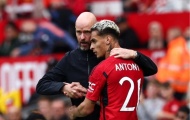
Erik ten Hag tại Leverkusen: Cơ hội tái sinh hay vết xe đổ?
Erik ten Hag, cựu huấn luyện viên của Manchester United, đã bắt đầu hành trình mới tại Bayer Leverkusen với quyết tâm khôi phục danh tiếng sau một quãng thời gian đầy sóng gió ở Old Trafford. Việc được Leverkusen lựa chọn không chỉ là...

Huyền thoại Gabriel Heinze gia nhập ban huấn luyện Arsenal, đánh dấu sự trở lại đáng chú ý
Arsenal chính thức công bố sự bổ nhiệm Gabriel Heinze vào ban huấn luyện đội một, bắt đầu từ mùa giải 2025/26. Đây là một sự kiện đáng chú ý, đánh dấu sự trở lại của cựu danh thủ người Argentina cùng HLV Mikel Arteta...

Siêu kinh điển tại New Jersey: PSG vs Real Madrid – Trận bán kết Club World Cup 2025 hứa hẹn đầy kịch tính
Trận cầu tâm điểm bán kết FIFA Club World Cup 2025 giữa PSG và Real Madrid sẽ diễn ra vào lúc 2h00 ngày 10/7 (giờ Việt Nam) tại New Jersey, Mỹ. Đây được xem là cuộc đối đầu đáng chú ý nhất của giải đấu,...

Thiago Silva trở lại Stamford Bridge: Trận đấu đầy cảm xúc giữa quá khứ và hiện tại
Huyền thoại Thiago Silva, trung vệ kỳ cựu của Fluminense, sắp đối mặt với thử thách đầy cảm xúc khi chạm trán đội bóng cũ Chelsea tại bán kết FIFA Club World Cup. Trận đấu không chỉ là cuộc so tài giữa hai đội bóng...

Man United thanh lọc đội hình, nhắm đến Mbeumo và những tân binh chất lượng
Mùa hè năm nay chứng kiến một cuộc cải tổ mạnh mẽ tại Manchester United dưới sự dẫn dắt của tân huấn luyện viên Ruben Amorim. Câu lạc bộ đã quyết định chia tay với 5 trụ cột, mở ra một chương mới đầy hứa...